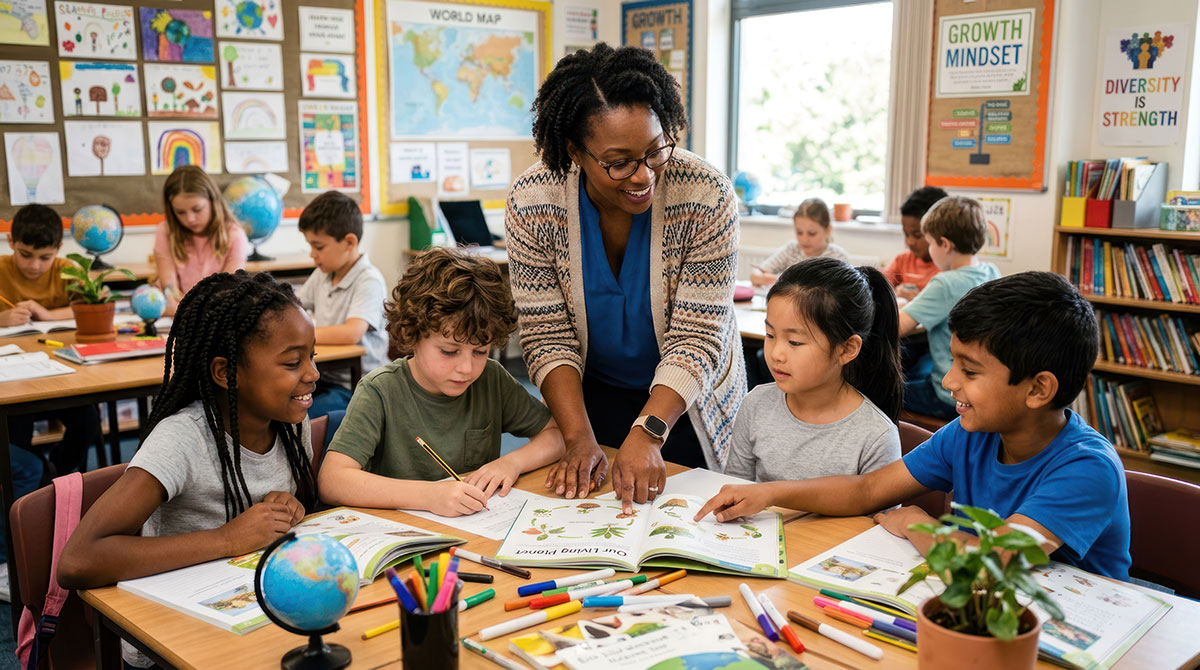
One of the most important lessons I have learned as a future educator is that children learn best when they are engaged and excited. Elementary students are naturally curious, and it is our job as teachers to tap into that curiosity. When students are actively involved in the learning process, they are more likely to retain information, think critically, and develop a love for learning that lasts beyond the classroom.
Engaging students takes creativity, patience, and a willingness to try new approaches. Over time, I have discovered several strategies that can make learning more dynamic and meaningful for young learners.
Incorporating Hands-On Activities
Hands-on activities are one of the most effective ways to engage students. Children learn by doing, and when they can manipulate objects, experiment, or create something, they are more likely to understand and remember the lesson.
For example, in a science lesson about plants, students can plant seeds and watch them grow over time. In math, using blocks or counters to solve problems helps students see abstract concepts in a tangible way. Art projects, role-playing, and building activities can all support learning across subjects while keeping students actively involved.
Hands-on experiences also encourage teamwork and problem-solving. When students work together on a project, they practice communication and collaboration skills while deepening their understanding of the material.
Using Technology Wisely
Technology can be a powerful tool in the classroom when used thoughtfully. Interactive games, educational apps, and multimedia presentations can make lessons more engaging and accessible.
For instance, digital storytelling tools can allow students to create their own stories or presentations, blending creativity with literacy skills. Virtual field trips can take students to places they may never have the chance to visit in real life. Even simple tools like interactive whiteboards or online quizzes can make learning more interactive and fun.
The key is to balance technology with other learning methods. Technology should enhance the lesson, not replace meaningful interaction or hands-on experiences.
Connecting Lessons to Real Life
Elementary students are more engaged when they see how lessons connect to their own lives. Showing students how math, science, reading, or social studies is relevant helps them understand the importance of what they are learning.
For example, a lesson on fractions can be tied to cooking or measuring ingredients. A science unit on weather can include a discussion about the local climate and how it affects daily life. By linking lessons to real-world experiences, students see the practical value of their education and are more motivated to participate.
Encouraging Movement and Active Learning
Young children have a lot of energy, and incorporating movement into lessons can help them focus and stay engaged. Activities like learning stations, classroom scavenger hunts, and interactive games allow students to move around while practicing important skills.
Even simple strategies, like stretching breaks, acting out a story, or walking around the classroom to complete tasks, can make a big difference. Active learning not only helps students retain information but also supports their physical health and overall well-being.
Fostering Creativity and Choice
Giving students a sense of choice and ownership over their learning can be incredibly motivating. When children have the opportunity to explore topics that interest them or decide how they will demonstrate their understanding, they are more invested in the process.
For example, students might choose the topic of a writing assignment, select materials for an art project, or decide how to present a science experiment. Allowing choice encourages creativity, critical thinking, and independence, while also making students feel empowered and confident in their abilities.
Building a Positive Classroom Environment
Engagement is not just about activities or tools. It is also about creating a classroom environment where students feel safe, supported, and valued. When students trust their teacher and classmates, they are more willing to take risks, ask questions, and participate actively in lessons.
Positive reinforcement, encouragement, and celebrating successes, no matter how small, help build confidence and motivation. When students feel their efforts are recognized and appreciated, they are more likely to stay engaged and committed to learning.
Involving Families and the Community
Engagement extends beyond the classroom. Involving families and the community can enrich lessons and create meaningful learning experiences. Guest speakers, community projects, and family participation in school activities provide students with new perspectives and connections to the world outside of school.
For example, a local artist could lead a workshop, a community garden could support science lessons, or families could participate in literacy nights. These experiences help students see that learning is a shared and continuous process that extends beyond the classroom walls.
Looking Ahead
As I continue my journey to becoming an elementary school teacher, I am constantly thinking about ways to make learning engaging, meaningful, and fun. Creative approaches, hands-on experiences, and connections to real life all play a key role in helping students develop a love for learning that will stay with them for years.
Engaging students is not always easy, and it requires patience, flexibility, and a willingness to try new strategies. But when students are excited about learning, the classroom becomes a place of exploration, curiosity, and growth.
Ultimately, the goal is to inspire students to become confident, curious, and lifelong learners. By thinking creatively, valuing their interests, and providing opportunities for active participation, we can help students see learning as an adventure rather than just a task.